
Not every Himalayan adventure demands weeks of walking or a serious commitment to altitude. The Chisapani Nagarkot Trek is a short, rewarding route on the rim of the Kathmandu Valley. In just a few days you can walk through forested ridges, pass Tamang and Sherpa villages, and watch the sunrise light up a wide sweep of Himalayan peaks. It is one of the best options for first-time trekkers, families, and travelers with limited time who still want a genuine taste of the mountains.
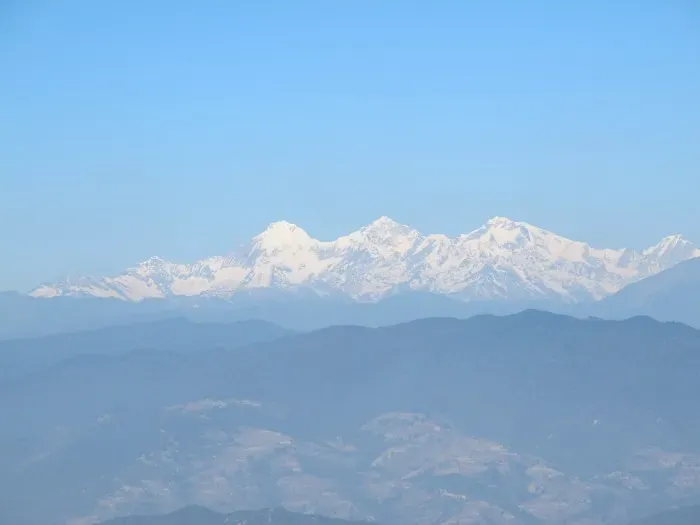
Overview of the Chisapani Nagarkot Trek
The trek connects two well-known hilltop destinations on the edge of the Kathmandu Valley. Chisapani (about 2,165 m) sits inside Shivapuri Nagarjun National Park and is famous for its mountain views. Nagarkot (about 2,175 m) is a long-established ridge town known for sunrise panoramas over the Langtang, Ganesh, and Jugal ranges, and on very clear days, Everest in the distance.
The classic route usually takes 3 to 5 days, depending on the starting point and pace. Most itineraries begin in Sundarijal, on the northern edge of Kathmandu, climb through Shivapuri National Park to Chisapani, continue through the village of Pati Bhanjyang and Chauki Bhanjyang, and finish in Nagarkot. The distances are moderate, altitude gain is gentle, and the trail is suitable for a wide range of fitness levels.
Why Choose the Chisapani Nagarkot Trek?
Easy access from Kathmandu. Sundarijal is a short drive from the city, so there are no long transfers or flights. You can start the trek almost immediately after arriving in Nepal.
Beautiful mountain views. From Chisapani and Nagarkot you see Langtang Lirung, Ganesh Himal, Dorje Lakpa, Jugal Himal, and other peaks. Sunrise and sunset are the highlights, when the snow turns gold and pink.
Rich forest and wildlife. The trail passes through oak, rhododendron, and pine forest. The national park is home to more than 300 bird species, along with rhesus monkeys, barking deer, and sometimes the elusive Himalayan black bear.
Cultural encounters. Villages along the route are home to Tamang and Sherpa communities. You see traditional stone houses, prayer flags, terraced fields, and small monasteries, and teahouse owners are welcoming and eager to share stories about local life.
Low altitude and low risk. With the highest point at just over 2,200 m, altitude sickness is rarely a concern. That makes this trek suitable for beginners and children.
Year-round option. Because of the low elevation, the trek can be done in most seasons, although some months are better than others.
Detailed Itinerary
A common four-day plan looks like this.
Day 1: Kathmandu to Sundarijal and Chisapani. After a short drive to Sundarijal, you pass the water reservoir and begin climbing stone steps into Shivapuri National Park. The trail goes through dense forest, past streams and waterfalls, and reaches the village of Mulkharka. From there, a steady climb leads to Chisapani. The name means “cold water,” and the village is a good place to spend the night with views of the peaks in the evening light. Walking time is around five to six hours.
Day 2: Chisapani to Nagarkot. Wake early for a sunrise over the Himalaya. After breakfast, the trail descends through forest to Jarsing Pauwa and continues along ridgelines with views of terraced farmland. You pass through small villages and local tea stops before reaching Nagarkot in the afternoon. Walking time is about six to seven hours. Evening on the ridge is calm and scenic.
Day 3: Nagarkot sunrise and return. Trekkers usually rise before dawn to watch the sunrise from a viewpoint or hotel rooftop. Afterward you can hike or drive down to Bhaktapur, a medieval Newar city with brick temples and traditional pottery squares, and continue to Kathmandu.
Some operators offer variations that include Nagarkot to Changu Narayan, a 5th-century temple, or start from Sundarijal to Chisapani to Nagarkot and Dhulikhel for a longer route.
Best Time to Trek
Timing matters for visibility and comfort.
-
Autumn (September to November): The best season, with clear skies, stable weather, and excellent mountain views.
-
Winter (December to February): Cold mornings but often crisp, clear air. Nights can be chilly, so warm layers are essential.
-
Spring (March to May): Warm days, blooming rhododendrons, and lush forests, though haze can reduce distant views.
-
Monsoon (June to August): Trails become wet and slippery with leeches and poor visibility. It is generally not recommended.
For the best sunrise views, aim for October or November.
Difficulty and Fitness
The Chisapani Nagarkot Trek is graded easy to moderate. Days are typically five to seven hours of walking, with some steep sections on stone steps and forest trails. There is no technical terrain, and the altitude is low.
Basic fitness is enough. If you walk regularly or enjoy light hiking, you will be comfortable. Beginners may want a few weeks of preparation, including stair climbing and walks with a small daypack. Wear well-fitted boots to avoid blisters, and take breaks when needed.
Accommodation and Food
Teahouses and small lodges are available in Chisapani, Nagarkot, and other villages. Rooms are usually simple, with twin beds and shared bathrooms, while Nagarkot also has more comfortable hotels and resorts if you want extra comfort. Hot showers are usually available, sometimes for a small fee.
Meals are typical Nepali trekking fare: dal bhat, noodles, fried rice, momos, soups, and pancakes. Vegetarian options are widely available. Drinking water should be treated or purchased, and a refillable bottle with purification tablets helps reduce plastic waste.
Permits and Costs
The permit system is straightforward. You need:
-
Shivapuri Nagarjun National Park entry permit, which is collected at the gate in Sundarijal.
-
TIMS card may be required or recommended depending on current regulations.
Independent trekking is allowed, but hiring a local guide or porter is a good idea for safety, navigation, and cultural insight. Costs are modest compared with major treks, making this route friendly to budget travelers. Regulations and fees can change, so check with a licensed agency or the park office before you go.
What to Pack
-
Comfortable, broken-in trekking shoes
-
Warm layers, fleece, and a windproof jacket
-
Rain jacket or poncho
-
Hat, sunglasses, and sunscreen
-
Daypack, water bottle, and purification tablets
-
Headlamp, small first-aid kit, and insect repellent
-
Camera and power bank
Travel light, as you will only carry what you need for a few days.
Tips for a Better Trek
-
Start early. Morning light gives the clearest mountain views and helps you avoid afternoon haze.
-
Stay for sunrise. Both Chisapani and Nagarkot are best experienced at dawn.
-
Respect the forest. Stay on marked trails, avoid feeding monkeys, and never leave plastic behind.
-
Support local lodges. Eating and staying in family-run teahouses directly benefits village communities.
-
Combine culture and trekking. Extend your journey with a visit to Bhaktapur or Changu Narayan for a rounded experience.
Responsible Trekking
The Kathmandu Valley rim is popular, and pressure on trails and forests is growing. Carry out all waste, use refillable bottles, and choose lodges that manage rubbish and firewood responsibly. Greet villagers respectfully, ask before taking photographs, and dress modestly. Fair treatment of porters and guides, including proper gear and reasonable loads, is an important part of trekking well.
Conclusion
The Chisapani Nagarkot Trek shows that a great Himalayan experience does not require extreme altitude or weeks of preparation. Within a few days you can walk through peaceful forests, meet welcoming mountain communities, and watch the Himalaya glow at sunrise, all within easy reach of Kathmandu. It is gentle enough for beginners, scenic enough for seasoned trekkers, and flexible enough to fit almost any schedule.
Whether you take it as your first taste of Nepal’s mountains or as a relaxed add-on to a longer trip, this trek leaves you with beautiful views, warm memories, and a deeper appreciation for the landscapes and people of the Himalaya. Pack light, walk mindfully, and let the ridge trails of Chisapani and Nagarkot show you why so many travelers fall in love with Nepal.
